Sunday, December 20, 2015

Charity Fair - Project Blog - 11/14 - 11/18


Summary:

Before donating to a charity, you should learn things about it. Things you should know about a charity before donating to it are: their name, what they do, and their mission. Other things you should consider are their statistics in money, such as how much they give and money to raise $100. You should also research on what they have achieved, and what they are currently doing.

Backward Looking:

How much did you know about the subject before I started? I knew a few things about the charity fair project before I started this year, last year. Things I knew about the charity fair last year was that you had to make and sell items you made, and then with the money you have, you donate it to a charity of your choice. Things have gone a bit different with the charity fair this year. I've known some of it before we started. For example, instead of donating to a charity of your choice, you must convince the student council to donate all AdVENTURE's money to one charity, making a presentation/speech. Other things that are different include adding different elements, such as carbon footprint, cost & profit, etc.


Inward Looking:

How do you feel about this piece of work? What parts of it do you particularly like? Dislike? Why? What did/do you enjoy about this piece or work? I thought that the charity fair was really fun to do, making the products and the elements, and working on the tri-fold poster. My most favorite part of the charity fair would either be making the products(origami) or developing the tri-fold poster. The part I dislike doing for the charity fair was doing the carbon footprint. This was because it was really difficult to do, because some of the products we used didn't show where it was made, taking a long time to finish the carbon footprint, and took a lot of hard work to finish. The part I like most about this project is making the origami and doing the tri-fold poster, since this was the part I was most proud of

Outward Looking:

What grade would you give it? Why? If I were to grade my own charity fair project, I would give it an A. I would give it this grade because I think I did pretty well for the charity fair by adding all the elements with all of requirements, with a bit of extra data. I also think I did pretty well on the tri-fold poster with detailing it. But the main reason I would give myself an A is because of the products. The main reason I would give myself an A is because of the collaboration my team and I did during the charity fair. We communicated when doing all of the elements of the charity fair, talked about all of the requirements and what to do. Saying this, I wouldn't really say that I did really really good on the charity project. There were a bit of some flaws, like miscalculations and making a few mistakes for the cost and profit and carbon footprint.  

Forward Looking:

What would you change if you had a chance to do this piece over again? There are many things that I would change if I were to to do the charity fair project again. One thing I would change is the product I was selling. I was originally selling origami, but that did not sell much on exhibition night. If I were to sell something different in the charity fair than origami, I would sell something that you could bake, like cookies or cake pops. There aren't many things I would change if I were to do the charity fair again, besides doing some of the charity fair elements again, since I would be selling a new product.

Sunday, December 13, 2015

Weekly Blog 12/7 - 12/11 - Dirt On Soil


Summary: 

Soil erosion usually destroys things, like farms, and causes mudslides. There are many ways to prevent soil erosion. One way is to have plants dig into the soil instead of having trenches. Plants hold down the soil with their roots. Another way to reduce soil erosion is having low incline. That prevents the soil from running down a high incline and making more soil fall, causing soil erosion. Other ways to prevent soil erosion is having different types of soil. Silt, and Silt and Sand mixture reduces soil erosion.

SP8: Obtain, Evaluate, and Communicate Information:

This week, I obtained my data through an interactive with two different levels. The first level was trying to find out which kind of soil treatment (plant/trench), incline, and amount of water I needed to reduce soil erosion. The second level was basically the same, but with a new variable: soil type. This included sand, silt, or both mixed. I evaluated the validity of my answers by re-checking if each combination of variables were correct, then tested them. I communicated my information by putting my data on a sheet of paper provided, then, I communicated the best variables (soil treatment, incline, soil type, amount of water) needed to prevent soil erosion. 

Monday, December 7, 2015

Weekly Blog - 11/30 - 12/06 - Soil


Summary:

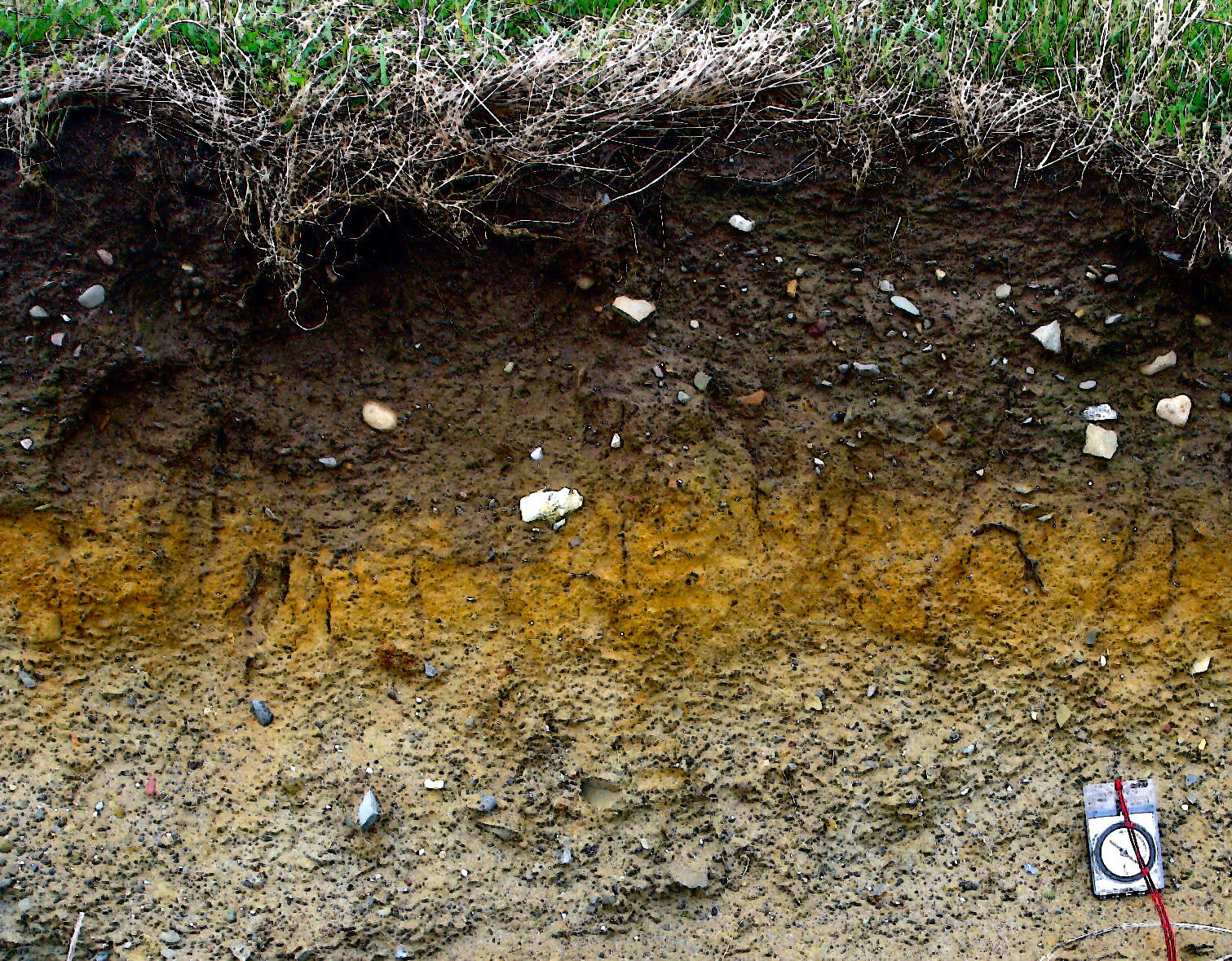
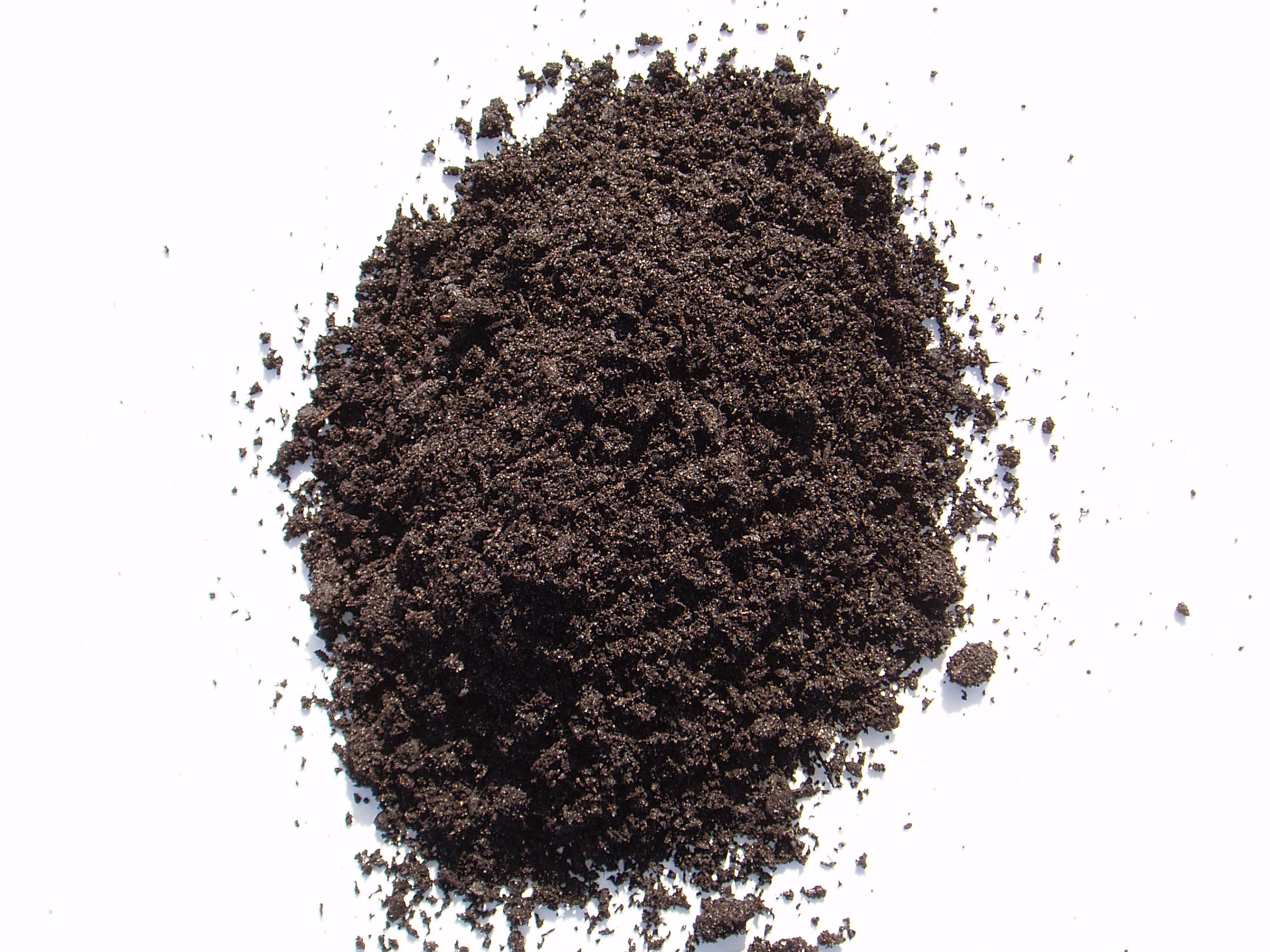
Soil, like air and water, is a vital resource for life on Earth. It keeps harmful chemicals out, allow plants and crops to grow on them, and clean the air. Soil takes thousands of years to form. Every 500 years, soil grows at least 1 cm thick. Soil is made up of weathered bedrock, and other materials on the surface. Other materials on the surface include sand, silt, and decomposed organisms, air water, and mineral particles. Without soil, life on earth wouldn't be possible.

SP8: Obtain, Evaluate, and Communicate Information:

This week, I obtained my information on soil through a provided website and textbooks on Earth Science. I also obtained my data by taking down notes from a video about soil. Then I used those notes to gather my data. I evaluated the validity of my data because all the sources of data was provided by the teacher. I communicated all the data I found to my team when we were working on our background research. I also communicated data on my team's background research document, showing the data I have collected.


Thursday, November 19, 2015

The Safest Place In America Essay 11/20

Position Statement:


     The Safest Place In America (SPIA), is Bismarck, North Dakota. My team and I chose this location for a couple of reasons. One reason is that it isn't prone to that much natural disasters. Another reason I chose Bismarck as my location is why it isn't prone to these earthquakes. Some reasons are because of its locations, its natural features, events in the atmosphere, and more! There are several reasons why Bismarck is the safest place in America

Wildfires:  

    Wildfires are caused in many places in America, but not Bismarck. The reason behind this? Well, a few reasons. One reason is that Bismarck is really cold, which makes it really hard for wildfires to start, and if it does, it might die out in a few moments. Another reason why wildfires aren't really in Bismarck is because it has low vegetation, which makes it hard for a wildfire to start and grow. Other reasons include events in the atmosphere. If a wildfire is small enough, wind in the air can blow it away, and thunderstorms aren't really that sever, which makes wildfires even less common. One last factor is that the Santa Ana winds are nowhere near Bismarck, so a wildfire cannot spread fast enough or be dangerous.

Earthquakes:

   Earthquakes are caused usually near the margin of America, but not in Bismarck. This is because Bismarck is in the center of the North American Plate. That causes that city to be safe from earthquakes, because it isn't near any other plate. In addition to that, Bismarck does not have any faults or strike-slips, which makes earthquakes not really prone in Bismarck. So Bismarck isn't a place for earthquakes, because there is no plate activity nearby.

Hurricanes:

   Hurricanes happen in the east coast of America. There are plenty of reasons why it isn't in Bismarck is not prone to hurricanes. There, the weather is cold, but hurricanes also need warm water to form, but the cold weather makes the water cold as well. It also isn't near the ocean, which is where some hurricanes form. There is also no warm air or water, which is needed for formation of a hurricane. Other reasons include the Coriolis Effect. Also, since there is cold weather, there is little evaporation, let alone having warm water, which makes the chance of a hurricane impossible. The Coriolis effect is low in Bismarck, which makes the chance of a hurricane in Bismarck, again, impossible. 

Conclusion:

    In conclusion, Bismarck is in fact the Safest Place In America, due to the low severity in Natural Disasters, because of its natural features. Because of its natural features, it is only prone to Tornadoes, Blizzards, and Thunderstorms, but they are not severe enough. According to the NY times, Corvallis, Oregon, is the Safest Place In America, but I don't believe this, because Oregon has a few natural disasters, two in which are very severe, while in North Dakota, the Natural Disasters weren't that severe.


Saturday, November 14, 2015

The SPIA Decision - Weekly Blog 11/9 - 11/15


Summary: 

In America, every state is prone to at least three or more natural disasters. The area in the US mostly prone to Natural Disasters in in the East Coast. Everywhere beyond that is not really prone to Natural Disasters. North Dakota is the state that has three natural disasters. But those three natural disasters weren't that severe, and no state was similar to the information found about North Dakota on natural disasters. That is why North Dakota is one of the safest states in America.

SP8: Obtain, Evaluate, and Communicate Information:

This week, my team and I obtained information of  where the Safest Place In America (SPIA) is by looking at our maps that we made for our research and used it for our decision of the Safest Place in America. My team and I evaluated validity of our data by checking and looking at the maps and seeing which state had the least, prone to the least, or had the least prone natural disasters. We crossed out every state prone to four our more natural disasters, and found out that every state that we didn't cross out was prone to 3 natural disasters. But the state that was less prone to natural disasters was North Dakota, which had 3 natural disasters, but those three natural disasters it was prone to weren't very severe. We searched deeper into which city in North Dakota was safe, and we searched in the center of North Dakota. There, we found the city of Bismarck, and my team and I finally decided on the safest place in America: Bismarck, ND. I was the one who noticed that North Dakota was least prone to three natural disasters, and I communicated that information with my team and decided on the Safest City In America.

Saturday, November 7, 2015

Natural Disasters Research - Weekly Blog - 11/2 - 11/8

Image Source: https://goo.gl/YkRhdu

Summary:

A Natural Disaster is a disaster that is from nature. They can occur in the atmosphere (air), or on the ground. Storms in the U.S usually occur in places where warm, moist air and cold air meet. This is because that a lot of the storms in the U.S (Hurricanes, Tornadoes, Blizzards, etc.) form by warm, moist air, meeting cold air. The Western part of the U.S is not prone to these storms, since there are a lot of mountains there, which makes it difficult for the storms to form. The places prone to storms (East Coast to the Midwestern States) do not have mountains, which allows the storm to form. 

Other disasters, such as earthquakes and wildfires, usually occur in the West states of the U.S These states are prone to wildfires because there is a lot of vegetation which makes the wildfires easier to spread, hot climate, which provides heat to the wildfire and helps it grow, and human-environment interaction. These states are also prone to earthquakes, because the West has a lot of  faults, which is one source of the earthquakes, and the West Part of the North American Plate is pushing against the Pacific Plate, which can also create an earthquake if the two plates release.

SP8: Obtain, Evaluate and Communicate Information:

This week, I obtained data for my research by going on provided resources for natural disasters and going on the internet. I also obtained some data from using background knowledge I had from the Plate Tectonics Unit. I communicated obtained information by discussing the data of the research with my team and changing some of the answers as we were discussing our data. We evaluated the validity of our research by discussing it, checking the answers with the teacher, and going on a few sites (last updated 2013-2015) to see if they were all the same answer.

Sunday, November 1, 2015

Natural Disasters - Weekly Blog 10/26 - 11/01

Image Source: https://goo.gl/lJ8ZNK

Summary:

   Natural disasters are disasters that come from nature itself. These include: Tsunamis, wildfires, hurricanes, typhoons, tornadoes, floods, etc. These occur due to climate, climate changes, vegetation, environment, weather, landscape, and human-environment interaction. They can also happen because of things in the atmosphere/air, and from space. For example, tsunamis can form from a meteoroid hitting the ocean, These are the reasons why some states in America are prone to these natural disasters and some aren't. Some states have these conditions while others don't. 


SP8: Obtain, Evaluate, and Communicate Information:

   This week, I obtained data from my research on Natural Disasters for my Presentation on the Safest Place in America Project. My research included: Describing the Natural Disaster, Where they occurred geographically, and on what conditions does this natural disaster form and why they form. The last thing I put on my research is filling in and coloring which states are prone to these natural disasters. I evaluated the validity of my work by checking two sites that had the same information, and both were last updated just recently and getting my research sheets approved by the teacher which means that my research is valid. Then, I communicated my work by sharing my data that I found with my team, and discussing the information each of us found.